Mental health struggles have become a daily reality for many. Long hours at the computer and constant notifications — along with little downtime — leave the mind tense and scattered. Sleep quality declines, stress hormones increase and mood swings become more intense. Conventional therapy or medication is a help, but there’s a lot of people out there searching for ways to actively support mental well-being at home. Holistic mental health offers tools and techniques that help address mind, body, and energy all at once.
What is Holistic Therapy?
Holistic therapy stresses the connection between mental, physical and emotional health. Instead of just focusing on the symptoms, it encompasses changes in lifestyle, self-awareness and natural healing techniques. Holistic mental health treatment can include bodywork, mindfulness, energy balancing, and sound therapy. These methods are not quick-fixes but work best when practiced regularly, alongside traditional therapy or medical care.
Therapy Techniques You Can Do at Home
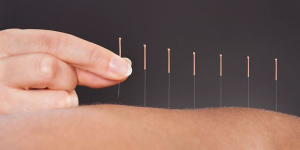
Acupressure is a method of stimulating energy flow, decreasing tension, and calming the nervous system by applying direct pressure to specific points on the body.
Practical insights from experience:
- ✦Office worker neck stiffness will find immediate relief from pressing LI4(between the thumb and index finger) & GB21(shoulder) points.
- ✦Start out with short sessions, five to 10 minutes at a time, and use light pressure. Doing too much can make you sore.
- ✦2–3 weeks of regular practice can show significant improvements in stress levels and quality of sleep.
- When most points are skipped over,pressed too hard or ignoring ergonomics, reduces effectiveness.
Yoga, which brings movement, breath control, and mindfulness together.It not only strengthens the body but regulates mood and energy levels.
Practical experience:
- ✦Gentle sequences (think: forward folds, twists and supported backbends) help alleviate anxiety while facilitating relaxation.
- ✦Those with chronic back pain or hip pain might need supports like blocks or bolsters to stay comfy.
- ✦You may have more mood stability in a few weeks after establishing a daily 15–20 minute routine.
- Consistency is more important than intensity. Attempting more advanced or complex poses too soon can lead to injury, and this in turn evokes a negative mindset when it comes to both parts of the mind-body connection.
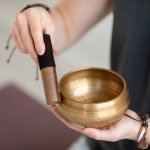
Sound therapy employs vibrations and frequencies to affect brainwave activity and emotional states. Common tools include singing bowls, gongs or tuning forks.
Insights from practice:
- ✦Low-frequency sound bowls are perfect for office workers or students suffering from mental fatigue and respond well to 10–15 minute sessions.
- ✦Regular sessions alleviate cortisol levels, thus aiding concentration.
- ✦(Soothing, quieter sounds are a gentler way to begin — they give the nervous system time to adapt.)
Energy healing methods like Reiki or hands-on techniques seek to balance the body’s energetic field.
Experience-based observations:
- ✦Chronic anxiety patients often report slight changes in mood and sleep patterns following a few sessions.
- ✦It works best if coupled with grounding practices like gentle yoga or mindful breathing.
- ✦For beginners start with a 15 minute session, preferably guided by seasoned practitioners or online tutorials.
How These Therapies Help Mental Wellness
Each of these methods that address stress and anxiety through different pathways:
✦ Acupressure releases muscle tension and increases circulation, communicating to the nervous system that it can relax.
✦ Yoga harmonizes breath and movement, decreasing physiological stress responses.
✦ Sound therapy can shift brainwaves into relaxation patterns, supporting emotional regulation.
✦ Energy healing might improve self-awareness and emotional clarity that can help users sort through thoughts with less resistance.
These methods are complementary, creating a multi-faceted support mechanism. Those who use two or three mehods at the same time often say they see faster, more stable progress.
Creating a Personalized Therapy Plan
Use one method to create consistency: Monitor your mood, sleep and stress levels for two weeks to assess response. Ease into another modality and notice how your body and mind respond.
A sample progression:
- ✦10 minutes of yoga or stretching in the morning
- ✦Midday 5–10 minutes of acupressure
- ✦10–15 minutes of sound therapy or energy healing in the evening
- Adapt timing and intensity according to comfort level and lifestyle. As you gain experience, you’ll recognize the techniques that bring you the most value.
“What mental health needs is more sunlight, more candor, and more unashamed conversation.”
Use These Methods for Those Who Should Not
Who benefits:
- ✦People coping with mild to moderate stress or anxiety
- ✦Office workers experiencing tension-related discomfort
- ✦Beginners seeking low impact mental health support
- ✦Individuals looking for adjunctive treatments in addition to conventional psychotherapy
Who should avoid or use caution:
- ✦Extreme depression or suicidal thoughts without medical supervision
- ✦Professional guidance is not given to some physical conditions (recent fractures, spinal injuries)
- ✦Target group: People highly sensitive to sound therapy
Natural mood booster
Exercise is described as a “natural mood booster” because it releases endorphins and reduces stress hormones, effectively combating anxiety and depression.
- 1
Chronic tightness vs acute tension:
Acupressure is great for chronic, mild stiffness and tension related to stress. They may be less effective than deeper massage or massage guns for knots due to acute kinking and postural strain.
- 2
Comfort and tolerance:
Beginners or sensitive individuals often start with acupressure mats for gradual adaptation. Aggressive massage techniques require caution.
- 3
Accessibility:
Acupressure mats can be used at home without assistance. Massage therapy may require a therapist or learning to use tools safely.
- 4
Cost:
Acupressure mats are relatively inexpensive in the long run. Frequent sessions at a massage therapy clinic can quickly become pricey, though high-end massage guns are a long-term investment.
✦ Common Mistakes
- ✦Diving into advanced techniques too soon and skipping foundational guidance
- ✦Ignoring consistency, expecting immediate results
- ✦Improper tool use (Acupressure mats too long, sound frequencies too high)
- ✦Ignoring comfort and ergonomic adjustments, which causes strain
- ✦These measures alone are not sufficient to treat serious mental health disorder.
Tools That Support These Methods
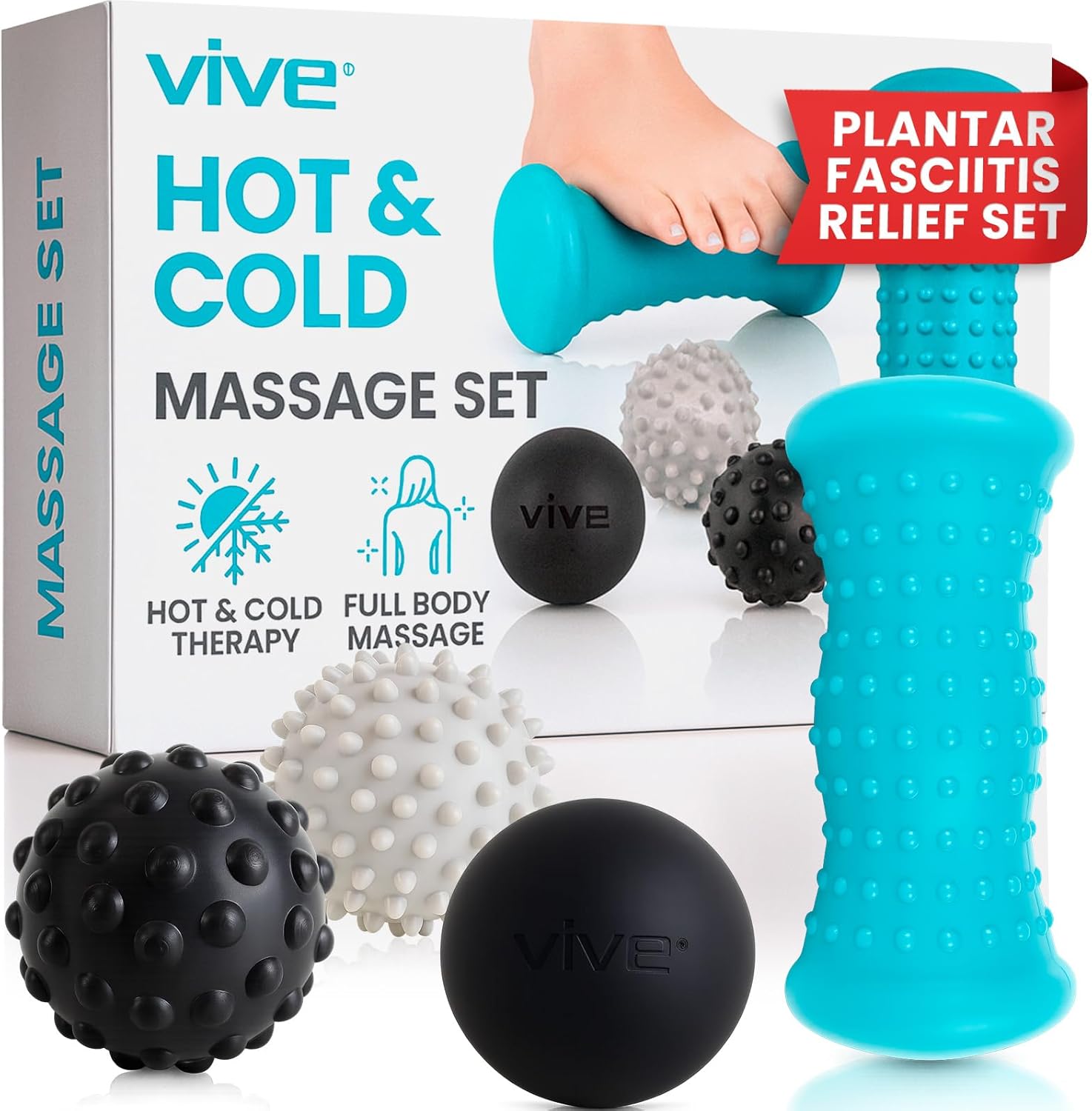
Acupressure mats and handheld tools:
Enable in-depth area focus without overuse
Yoga blocks, straps and bolsters:
Less strain, better posture
Musical Instruments:
Provide specific sound frequencies
Meditation cushions or mats:
Enhance alignment in energy healing
And investing in quality, easy-to-maintain tools means you can keep them for a long time. More premium options might feature better materials or ergonomic designs, but may not be necessary for many beginners.