What is Massage Healing Therapy?
The Ancient Art of Therapeutic Touch
Massage healing therapy is the hands-on manipulation of muscles, tendons, ligaments and connective tissue to ease tension, improve mobility and promote relaxation. It works by encouraging healthy blood flow, releasing tight muscles and helping the body shift into its natural “rest and recover” state after stress.
Even a short 20 to 30 minute session can noticeably ease muscle tension and lift your mood, and the benefits tend to build with regular visits. That’s why many people see massage for healing as part of a long-term routine rather than a one-time fix, often noticing better sleep, less stress and improved posture over time.
How Does It Work?
The technique you choose shapes the results. Swedish massage uses long, gliding strokes to support circulation and ease surface tension. Deep tissue massage uses firmer pressure to reach deeper muscle layers and release stubborn knots. Sports massage combines trigger point work and stretching to support athletic recovery. Each approach targets the body in a different way, so the right match matters.
Five Core Massage Techniques
- ✦Swedish Massage — Long, gliding strokes for relaxation and circulation. Ideal for beginners and mild back tension.
- ✦Deep Tissue Massage — Firm pressure that targets deeper muscle layers. Suited to ongoing muscle tension, postural strain and athletic recovery.
- ✦Sports Massage — Combines deep tissue work, stretching and trigger points to ease post-workout soreness and improve range of motion.
- ✦Lymphatic Drainage — Slow, rhythmic strokes that encourage lymph flow. Often used to ease swelling and support recovery after surgery, with a doctor’s approval.
- ✦Holistic Healing Massage Therapy — A mind-body approach that combines mindful touch, energy balancing and optional aromatherapy for stress relief and better sleep.
“Massage therapy goes beyond short-term relief. Many regular clients notice better sleep, less stress and improved posture that build from session to session.”
Who Can Benefit?
Massage is well suited to office workers with muscle tension and back stiffness, athletes and active adults focused on performance and recovery, and anyone dealing with stress-related sleep trouble. If you have an acute injury, fracture, severe inflammation, or a heart or blood-clotting condition, check with your doctor before booking. If you’re pregnant, choose a therapist trained in prenatal massage.
Massage Tools & Products
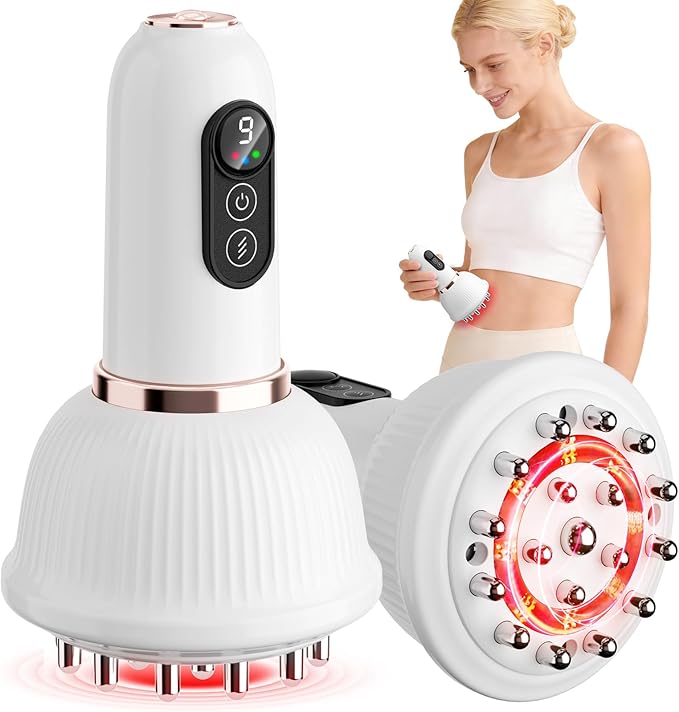
Foam rollers, massage balls and handheld massagers help keep muscles loose between professional sessions. For self-massage, use slow, focused strokes on tight areas for 5 to 10 minutes. Jojoba or almond massage oil reduces friction and makes self-massage more comfortable. Go gently, and ease off pressure over sensitive spots to avoid bruising.
Choosing the Right Technique
Match the technique to your needs and lifestyle. Beginners and anyone seeking relaxation usually start with Swedish massage, while people with ongoing muscle tension and athletes often prefer deep tissue or sports massage. When choosing a massage therapist, look for a license or certification, experience with your concern, and genuine client reviews. The right match makes all the difference in how well massage helps you heal and recover.