What is Acupressure Healing Therapy?
The Ancient Art of Pressure Point Healing
Acupressure is a traditional healing technique rooted in Traditional Chinese Medicine. Using finger pressure, handheld tools or an acupressure mat, it works on specific acupressure points along the body’s energy pathways, known as meridians. As a form of holistic acupressure, it treats the body and mind together, aiming to restore balance and ease tension.
Unlike acupuncture, acupressure uses no needles, which makes it easy to learn and practice at home. Pressing on key points helps release muscle tension and encourages the body to relax. Some spots may feel tender at first, and many people find acupressure healing becomes more relaxing with regular practice.
How Does Acupressure Work?
Steady pressure on certain points can help relax tight muscles and trigger the body’s natural relaxation response, which may slow your breathing and quiet a busy mind. Research on acupressure for sleep is still growing, but some studies suggest it may help people fall asleep more easily and improve sleep quality. The benefits tend to build with regular practice.
Key Pressure Points for Quality Sleep
- ✦Anmian — Behind the ear, just below the skull. Traditionally used to calm the mind and support restful sleep.
- ✦Shenmen (HT7) — On the inner wrist crease. Traditionally used to ease nervous tension and worry.
- ✦Yongquan (KD1) — On the sole of the foot. Traditionally used for grounding and relaxation before bed.
- ✦Sanyinjiao (SP6) — Above the inner ankle. Traditionally used to relax the body and support sleep. Avoid during pregnancy.
- ✦Baihui (GV20) — At the crown of the head. Traditionally used to promote calm and quiet a racing mind.
“Acupressure is gentle but precise. Practiced regularly, it helps the body and mind learn to settle into real, lasting calm.”
Who Can Benefit?
Acupressure suits people who have trouble winding down at night, office workers with neck and shoulder tension, and anyone looking for a natural, hands-on way to relax in just 10 to 15 minutes a day. If you have ongoing sleep problems, talk to your doctor, as acupressure is meant to support care, not replace it. If you’re pregnant, avoid certain points such as SP6 and LI4, and check with a professional first if you have skin injuries, varicose veins or circulation problems.
Acupressure Tools & Products
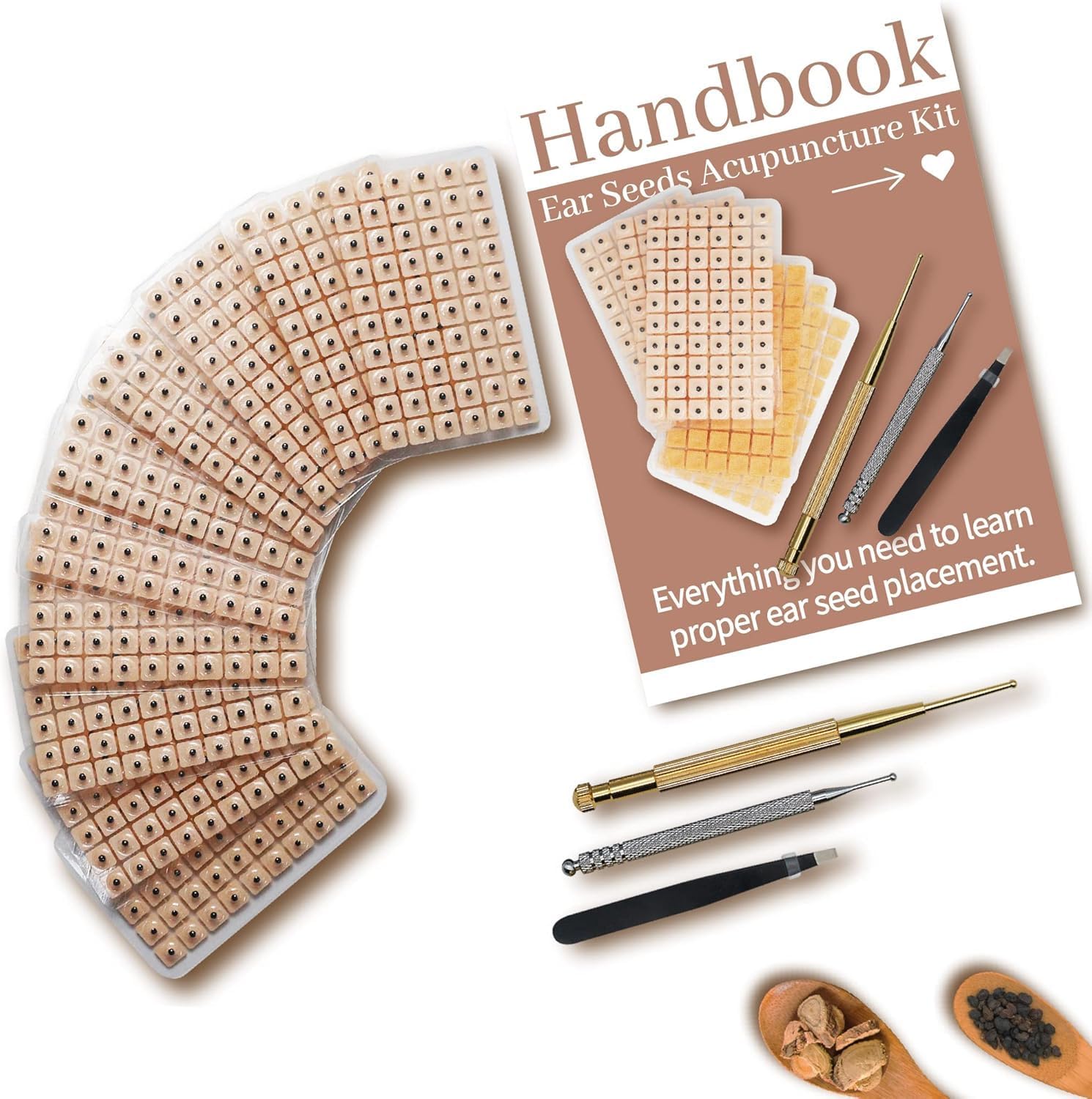
An acupressure mat and pillow set supports full-body relaxation, especially for the back and neck. An acupressure pen or handheld tool reaches small points like Shenmen and Anmian, while reflexology slippers and ear seeds add easy, everyday options. Start with 5 to 10 minutes and increase gradually as you get comfortable.
Your Nightly Routine
Dim the lights and put screens away 20 minutes before bed. Start with Yongquan on both feet, move to Sanyinjiao on the legs, then press the Shenmen point on each wrist. Finish with gentle Anmian massage and light tapping at Baihui, then take three slow, deep breaths. This simple acupressure routine takes 10 to 15 minutes, and many people find it easier to unwind after a week or two of regular practice.