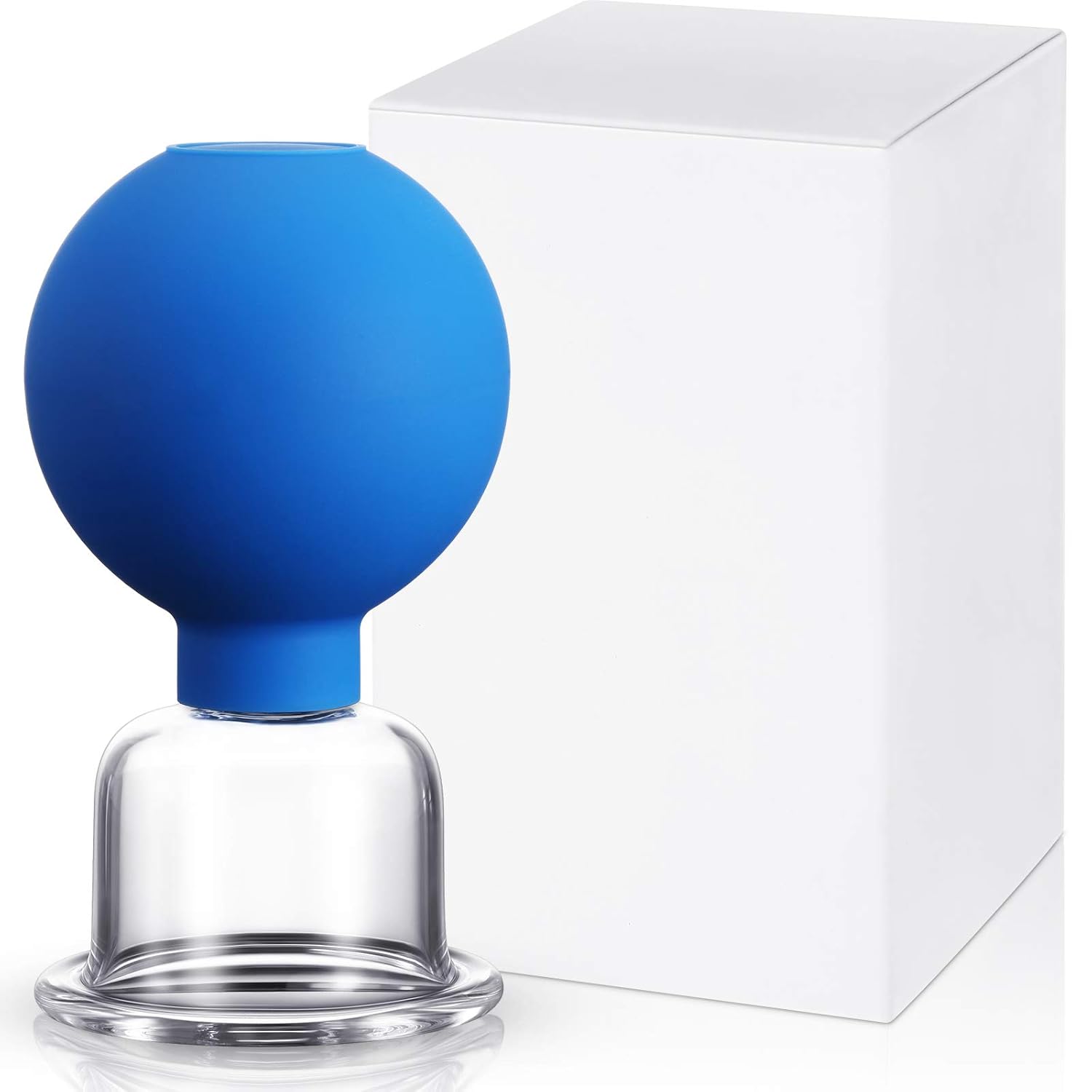
What is Cupping Healing Therapy?
The Ancient Art of Suction Healing
Cupping therapy dates back thousands of years in Chinese, Middle Eastern and Egyptian healing traditions. Cups placed on the skin create suction that gently lifts the skin and the muscle layers beneath it, encouraging local blood flow. In Traditional Chinese Medicine, cupping is also used to support the flow of energy, or qi, along the body’s meridians.
Today, many people use cupping healing as a holistic way to ease muscle knots, improve flexibility and simply feel more relaxed. Round red or purple cupping marks are common after a session. They’re caused by blood drawn toward the skin’s surface, aren’t usually painful, and fade within a few days to a week.
How Does It Work?
Cups are placed on areas of tension, most often the upper back, shoulders and thighs, and left for 5 to 15 minutes depending on your comfort. The suction helps loosen tight muscles and fascia, encourages circulation in the area and often brings a deep sense of relaxation. Many people feel looser soon after a cupping treatment, and results tend to build over several sessions. Research is still developing, so experiences vary.
Three Types of Cupping
- ✦Dry Cupping — Suction only, with no incisions. The most common type and ideal for beginners with desk-related neck and back tension.
- ✦Wet Cupping (Hijama) — Combines suction with tiny, controlled skin incisions. Must only be performed by a trained, licensed practitioner using sterile equipment.
- ✦Moving Cupping — Oiled cups glide across the skin like a massage to ease muscle tension over larger areas. Often combined with heat or herbal oils in traditional practice.
“Cupping isn’t a modern trend. It’s a time-honored practice that people around the world still turn to for muscle relief and relaxation.”
Who Can Benefit?
Holistic cupping therapy suits people with muscle tension, mild back or neck stiffness, office workers dealing with long hours at a desk, and active people in recovery. Talk to your doctor first if you have a bleeding or clotting disorder, take blood thinners, have a skin condition, or are pregnant. Avoid cupping over broken skin, varicose veins or recent injuries.
Cupping Tools & Products
Silicone cups and hand-pump cupping sets let beginners control suction easily and safely. Glass cupping sets are a classic choice for practitioners. A light massage oil helps cups glide during moving cupping, and a storage case keeps your cupping set clean and in good condition. A mid-range set is usually enough for occasional home use.
At-Home Practice Guide
Clean your skin and cups before each session, then apply a light layer of massage oil. Start with gentle suction on less sensitive areas like the upper back or thighs. Leave cups on for 5 to 10 minutes, checking how your skin feels, and release the suction right away if anything feels painful. Remove cups gently and moisturize the area. For beginners, one to two cupping sessions a week is a comfortable place to start.