
A Morning For Mindfulness
This morning I woke up and decided to work on my mindfulness and self-care routine because both have been sorely
Humanity is currently experiencing one of its biggest public healthy emergencies thus far. The holistic health of our communities is
... admin
admin
Humanity is currently experiencing one of its biggest public healthy emergencies thus far. The holistic health of our communities is
...
admin
Humanity is currently experiencing one of its biggest public healthy emergencies thus far. The holistic health of our communities is being compromised and we are waiting to see how this will continue to unfold. This situation may leave us feeling isolated, powerless and helpless. Nevertheless, there is so much we can do as a collective.
Aside from social distancing and quarantine, we have one amazing and powerful tool that can help us get through this: OUR MIND. When our thoughts are healthy, our body and soul feel at ease. It is crucial to pay attention where our mind wanders, what information we’re feeding it and how this impacts our relationship with ourselves and others.
As I sit here at home, I constantly wonder “How am I going to make it without social interactions? How is my life going to continue when I can’t leave my home?”. The answer is simple yet more complex than ever: pay attention to yourself and gain control over our mind so that consequently, you can regain some sense of control over this situation.
Even when our surroundings feel chaotic and uncertain, our mind has the power to protect and heal itself.
So, let’s focus on our mindset for a moment. I like to define mindset as: the way we receive, perceive and react to our environment and internal processes.
Our mind undeniably runs our lives. When we have a healthy mindset, we are able to put ourselves first, we cope better with stress, we find ways to reframe our thoughts and focus on what is in the highest good for everyone involved. When our thoughts are healthy, our body and soul feel at ease.
As our lives constantly change and evolve, it is important to remember that this stage too shall pass.
In my personal and professional experience as a mental health clinician and a Reiki practitioner, I’ve been able to identify some basic and effective skills we can all practice. Some people practice one item more than the other, others try to practice them simultaneously. However you choose to practice these, it helps to remember that the intention is to grow and learn from and with these practices; myself included.
The following are not strict guidelines, but rather healthy tools to utilize on a daily basis.
Let’s be real, no one likes too much change. We are creatures of habit. Having a routine makes us feel in control of ourselves and our world. And when something unexpected happens, we panic, live in fear and see everything through a negative lens.
People who practice acceptance also practice flexibility and letting go. Attaching to things, people and circumstances only create more resentment and powerlessness. When we align with acceptance, we surrender to the rhythms of life and we flow with the energy of the universe.
A way to practice acceptance can be done through the following affirmations:
As I detach from circumstances I can’t control, I allow the universe to guide me.
I let go of my need to control and my need to plan
Life is about phases, and this too shall pass
I am able to keep myself safe, in spite of the chaos around me
I was not ready to let go before, but I am now
When I accept what is happening, I give myself the gift of peace. I deserve that peace
When we feel stressed, unsafe and threatened we fall into “survival mode” and forget to pay attention to one of the most important skills in life: breathing.
It has been scientifically proven that the practice of deep breathing and breath work can rewire our brain, regulate your nervous system and ease us into a calm state of mind.
As a practice, I encourage clients to use the following steps at least twice a day:
Queen Brené Brown, who studies shame and vulnerability, states that data has shown how people who practice gratitude experience more joy.
Gratitude teaches us to look for the good and positive about our lives, as opposed to focusing on lack and negativity. When we practice gratitude, we refocus our energy and attention on what we have, what is working, the strengths and qualities we intrinsically possess.
To start your practice:
Journaling can be such an amazing tool for keeping ourselves accountable. Writing offers the opportunity to clear our minds, it allows a safe space for emotional expression, and it increases our awareness by practicing introspection and insight.
If you are currently staying at home, I invite you to practice morning writing pages, focusing on releasing any mental trash, negativity and resentment you may be experiencing. Give yourself the opportunity to do this for 2–3 pages each day.
Remember, there is only one person who will be with you for the rest of your time on Earth: YOU!
During these difficult times, self-care and self-love will play a fundamental role. This is the perfect time to practice reiki, to meditate, to journal, reach out to your support system, and tend to your needs.
It is also the best opportunity to establish boundaries, to get comfortable with saying NO and to give yourself time to heal.
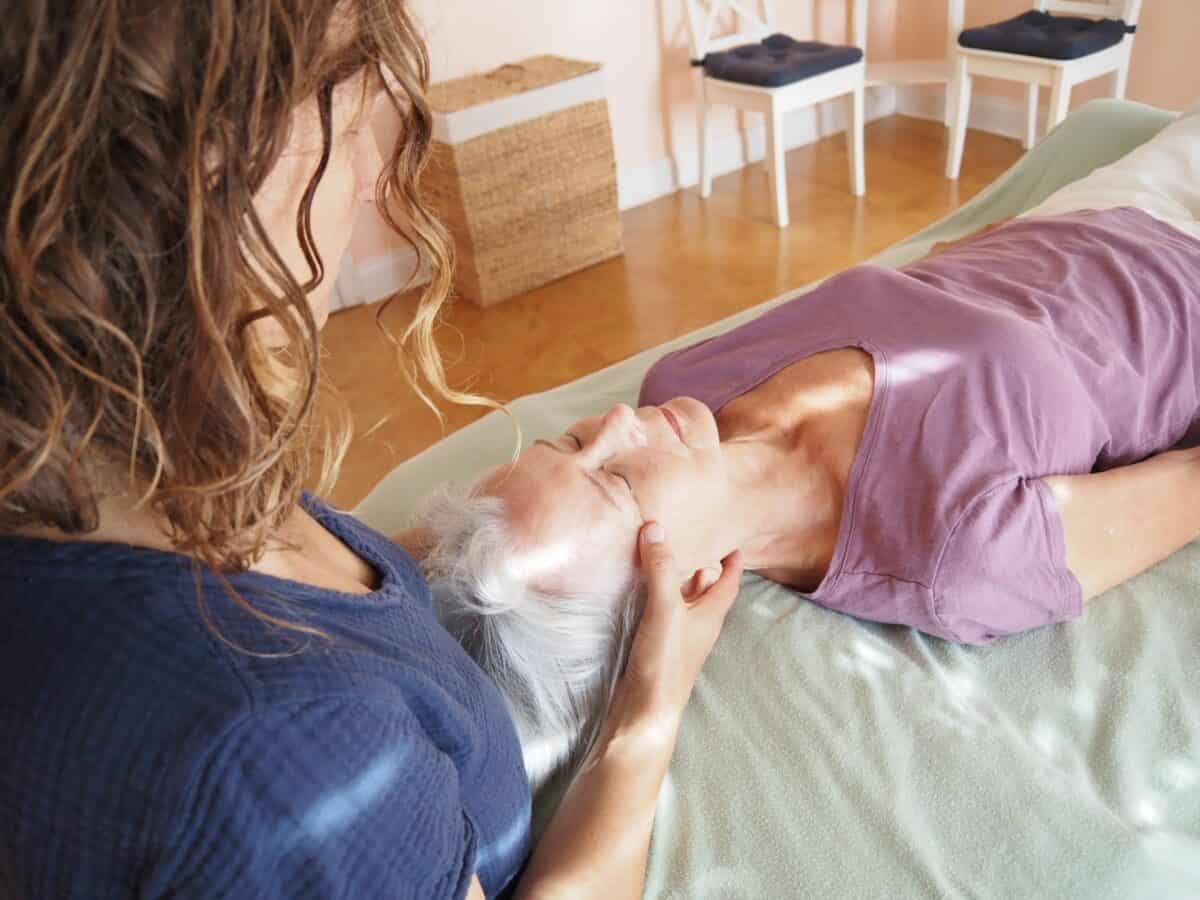
When we are feeling low, reiki energy will lift us and embrace us in its loving power. Self-reiki can be an amazing tool when experiencing the toll of the low vibration energy around us.
A few quick and easy steps may look like this:
Affirmations may include:
I receive universal life force and embrace it in my body
I allow myself to heal through universal light
I deserve to heal and live a balanced and healthy life
I nurture my body, my mind and my soul through healing energy
When we foster a balanced mindset, we are able to attain a lifestyle that speaks health and wellness to your mind, your body and your soul. Practice makes changes.
Wishing everyone and their loved ones much love and healing during this process.
We’d love to hear from you—share your thoughts or ask a question!