What is Meditation & Mindfulness Therapy?
The Ancient Art of Mindful Healing
Meditation is the practice of training the mind to build focused, calm awareness. Rooted in Buddhist traditions and Indian yogic systems, it has grown over centuries into simple, practical tools for busy lives, whether that’s a quiet corner at home or a five-minute reset at your desk. Today, meditation therapy is one of the most widely used holistic meditation practices for everyday well-being.
Stress often shows up in the body as tension headaches, a tight neck or an unsettled stomach. Meditation works by training your attention, quieting mental chatter and strengthening the mind-body connection. Two of the most popular forms are mindfulness meditation, which means observing your thoughts without judgment until the mind settles, and guided meditation, which uses a voice, audio or visualization to gently lead beginners into focus.Physical stress manifests as tension headaches, neck tightness and gut discomfort. Meditation works by training attention, facilitating mental stillness and activating the mind-body connection that interrupts these patterns. Two of the most widely practiced forms are mindfulness meditation — observing thoughts non-judgmentally until the mind settles — and guided meditation, which uses verbal instructions and visualization cues to ease beginners into focus.
How Does It Work?
Meditation helps activate the body’s natural relaxation response, easing the physical side of stress. Research suggests that even 10 to 15 minutes of daily practice can help people feel calmer and less reactive within a few weeks. Consistency matters more than length: a short daily practice usually does more than an occasional hour-long session.
Four Core Meditation Techniques
- ✦Mindfulness Meditation — Present-moment awareness of breath and body sensations that trains calm, non-reactive attention for everyday stress.
- ✦Guided Meditation — Follows a voice through an app or audio track. Ideal for beginners and quick midday resets.
- ✦Healing Meditation — Uses visualization and breathwork to imagine calm, healing energy moving through the body. Often used alongside other comfort and care practices.
- ✦Relaxation Meditation — Deep breathing, body scan and progressive muscle relaxation to calm the body and mind before sleep.
“Meditation pairs naturally with yoga, sound therapy or acupressure, and its benefits grow stronger the more consistently it becomes part of daily life.”
Who Can Benefit?
Meditation is open to almost everyone. It’s especially helpful for office workers with tension headaches, people dealing with everyday stress or worry, anyone struggling with restless sleep, and those looking for more emotional balance. If you’re living with a mental health condition, use meditation to support your professional care, not replace it. Beginners usually find guided sessions the easiest place to start.
Meditation Tools & Products
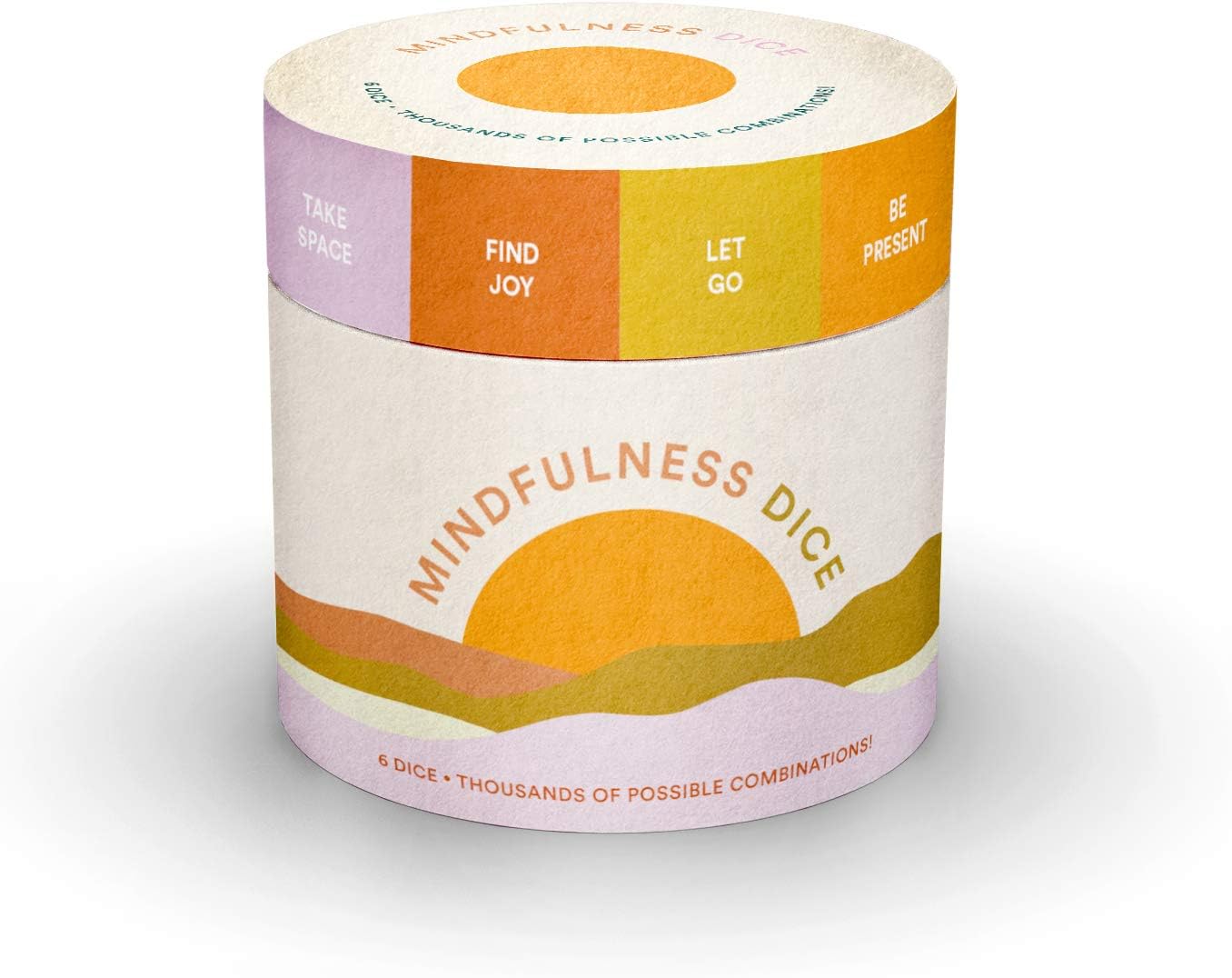
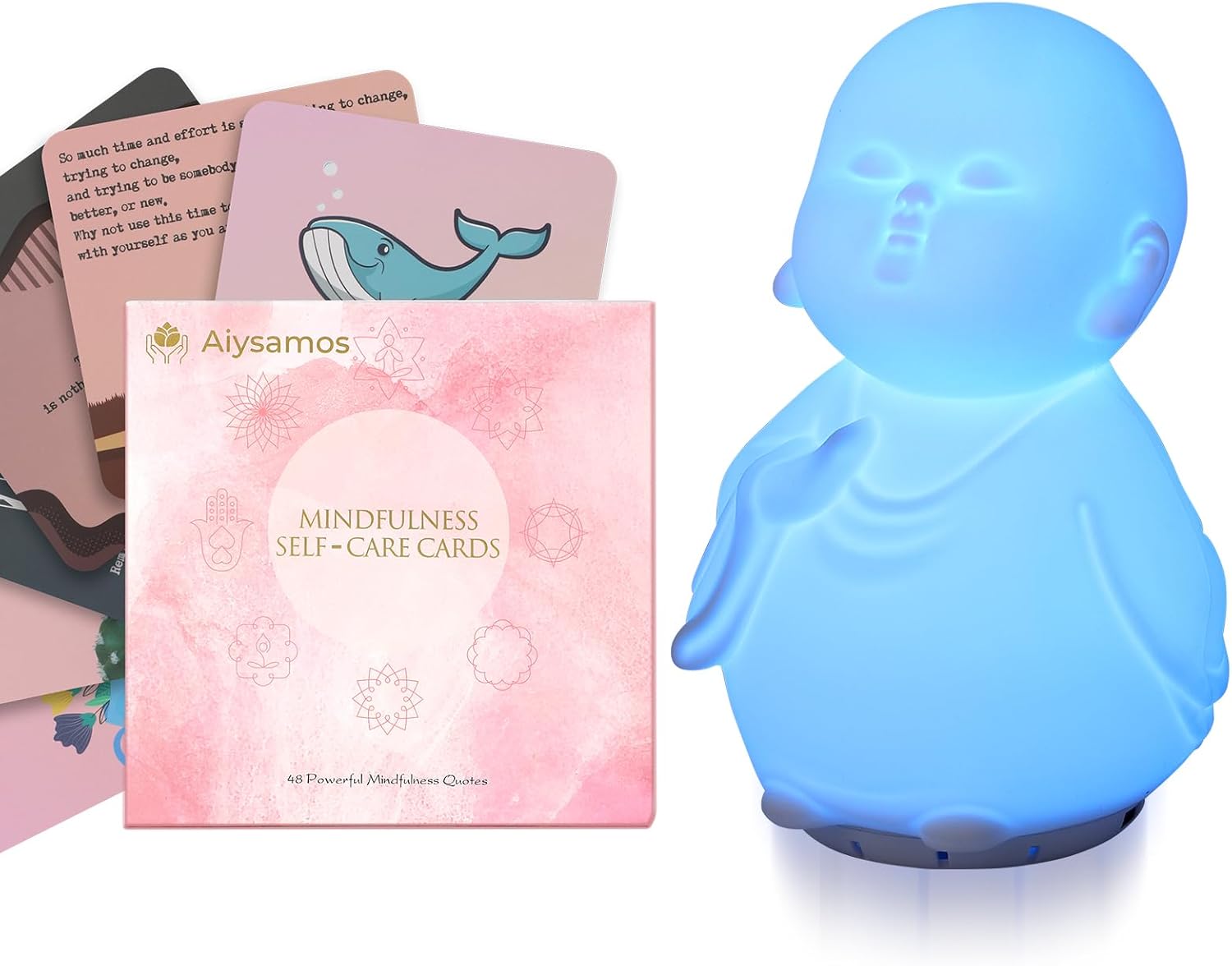
A cushioned mat or chair supports good posture during longer sessions. Breathing lights and timer apps keep you on track without clock-watching, and guided recordings add structure and variety. Singing bowls, chimes and affirmation cards help set the mood and mark the start and end of your practice. Simple tools are all you need to begin.
Building a Daily Practice
Pick a consistent time; morning or just before bed works best for most people. Start with 5 to 10 minutes and build up gradually. Sit comfortably with your back supported, and use a timer or app to stay consistent. Notice how you feel week by week and adjust as you go. Pairing meditation with acupressure beforehand, or sound therapy during your session, can deepen the calm of your meditation healing practice.